

Hippotherapy: “healing through horse movement"
Occupational therapists use a variety of treatment tools to adapt to the needs of each client, one of which is Hippotherapy. Hippotherapy is a specialized therapeutic approach that uses the movement of a horse to help individuals address a range of physical, sensory, emotional, and cognitive challenges. Delivered by an AHCB certified occupational therapist, our team integrates the horse's rhythmic, controlled movements to support progress in motor control, balance, coordination, sensory processing, emotional regulation, and cognitive function.
This approach can be especially beneficial if your child has a neurodevelopmental disorder, sensory processing difficulties, or emotional trauma. The horse’s movement offers a unique experience that activates motor pathways, helping clients improve their overall quality of life. Check the FAQs below to understand if OT supported by Hippotherapy may be an option for you or your child.
Benefits of Occupational Therapy Utilizing Hippotherapy
Improved Sensory Processing: Enhances ability to process and respond to sensory stimuli, improving comfort and adaptation in daily life.
Better Motor Skills & Coordination: Boosts balance, core strength, coordination, motor planning, visual motor skills, and posture through the horse’s movement.
Emotional Regulation: Helps manage anxiety, stress, and emotional responses through interactions with the horse.
Enhanced Cognitive Functioning: Stimulates executive functioning, attention, and problem-solving abilities.
Increased Body Awareness & Self-Esteem: Promotes physical confidence and body awareness, improving self-esteem.
Personalized Therapy: Tailored approach addressing individual sensory, emotional, and physical needs for more effective results.
Frequently Asked Questions
-
As defined by the American Hippotherapy Association (AHA), this therapy is delivered by licensed healthcare professionals—such as Occupational Therapists, Physical Therapists, and Speech-Language Pathologists—who are trained in integrating the horse’s movements into treatment.
Hippotherapy is particularly effective for improving motor control, balance, coordination, sensory processing, emotional regulation, and executive functioning. This approach can be beneficial for individuals with neurodevelopmental disorders, sensory processing issues, neurological disorders, neuromuscular disorder, and. or emotional trauma.
-
An American Hippotherapy Certification Board Certified Occupational Therapist is a licensed occupational therapist who has completed specialized training in Hippotherapy and successfully passed the national certification exam. This certification is designed to ensure that the therapist is equipped with a strong foundation in occupational therapy, safety training utilizing equine movements, and the additional expertise needed to integrate equine movement into your child’s treatment plan.
National Certification: AHCB-certified OTs must pass a rigorous national exam, which demonstrates their specialized knowledge in both occupational therapy and hippotherapy.
Best Practices: Certified OTs adhere to evidence-based guidelines and apply research-driven practices to ensure safe, effective, and ethical treatment.
Individualized Approach: These therapists use the horse’s movement to address a wide range of challenges, from improving motor skills and sensory processing to enhancing executive functioning and emotional regulation.
Ethical and Professional Compliance: AHCB-certified OTs maintain their certification through continuing education and national examination and are committed to staying informed about the latest therapeutic practices and innovations.
-
How This Differs from Other Approaches
While Eagala, PATH Intl Certified Therapeutic Riding Instructors, and certified health coaches may also use horses in their practices, the focus, methodology, and intended outcomes of their services differ significantly from those of an AHCB-certified occupational therapist.
Equine Assisted Growth and Learning Association: EAGALA’s approach is grounded in mental health and personal development, with an emphasis on unmounted activities where clients interact with the horses in a non-riding setting. EAGALA’s approach is focused on emotional and social interaction, whereas AHCB-certified OTs incorporate the horse’s movement in a clinical, evidence-based framework that targets motor skills, sensory processing, and functional outcomes.
PATH Intl Certified Therapeutic Riding Instructors: PATH specializes in therapeutic riding to help individuals improve their balance, coordination, and posture through mounted activities. While this approach is excellent for enhancing physical strength and mobility, it differs from hippotherapy in that it focuses more on riding skills and recreational riding rather than using the horse’s movement as a therapeutic tool. AHCB-certified OTs apply the horse’s movement in a clinical, structured therapy plan that targets not only motor control and sensory integration but also executive functioning and the development of functional tasks to improve a person’s ability to engage in daily life activities.
Certified Health Coaches: Health coaches may incorporate equine-assisted activities into their wellness programs, focusing on general health, behavioral change, and lifestyle guidance. While this approach can be beneficial for promoting overall well-being, health coaches are not trained to address specific neurological, sensory, or motor challenges. Unlike AHCB-certified OTs, health coaches do not follow the same clinical assessment and treatment planning protocols designed to provide a targeted, therapeutic approach for complex developmental, sensory, and motor issues.
-
Our program is designed to support a wide range of challenges, including, but not limited to:
CPTSD & Trauma Recovery
Autism Spectrum Disorder (ASD)
Attention Deficit Hyperactivity Disorder (ADHD)
Autistic Burnout
Motion Sickness
Pelvic Floor Dysfunction
Sensory Processing Disorders
Developmental Delays
Behavioral & Emotional Regulation Challenges
Parenting & Caregiver Support
Teen Development & Social Skills
Whether supporting neurodivergent individuals or those emotional, sensory or physical challenges, our approach is rooted in creating a safe, inclusive space for healing, growth, and empowerment. If you're unsure whether your specific needs fall within our scope, feel free to reach out to courtney@otworks.org for more information.
-
Some clients may not be suited for mounted Hippotherapy services due to increased health and safety concerns.
Conditions that may require medical clearance from your primary care provider or specialist -
Severe osteoporosis or other conditions causing pathologic fractures
Hemophilia or other uncontrolled bleeding disorders
Spinal fusion (less than 12 months post-op)
Internal fixation of the spine or hips (less than 6 months post-op)
Acute herniated nucleus pulposus
Joint subluxation/dislocation
Unstable cervical spine or atlanto-axial instability
Active infection of skin, bones or joints (e.g. osteomyelitis)
Uncontrolled seizure disorder
Uncontrolled cardiovascular conditions (e.g. severe hypertension, recent cardiac event)
Severe behavioral issues (self-injurious or aggressive behaviors that endanger horse or handlers)
Allergy or hypersensitivity to horses or tack materials.
Please note each horse has a unique set of needs and maximum weight limits. The health and safety of the horse and the client will always be the most important part of our decisions.
When we have questions about the efficacy and safety of utilizing Hippotherapy as a treatment tool, we can connect with your healthcare team to make the most effective decision for your child’s needs. If you have any questions please contact courtney@otworks.org
Therapeutic Partners
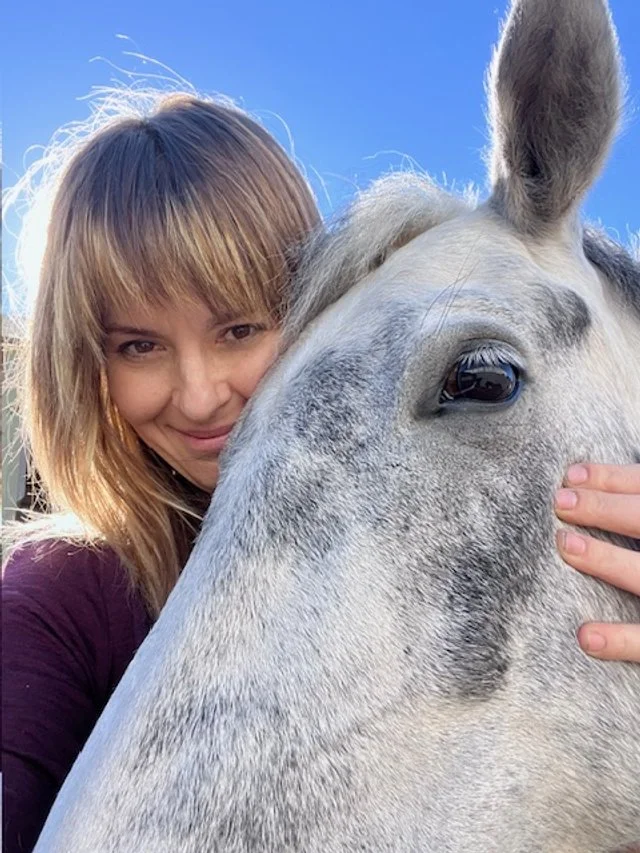
Licensed Occupational Therapist | AHCB Certified | Ayers Sensory Integration Focused
Dr. Courtney McIntyre is a highly skilled licensed occupational therapist with a Clinical Doctorate in Occupational Therapy from Creighton University. She also holds a Graduate Certificate in Ayers Sensory Integration from the University of Southern California, showcasing her deep commitment to the specialized field of sensory processing and therapeutic techniques.
With over 15 years of experience in the therapeutic equestrian field, Dr. McIntyre is a lifelong equestrian who seamlessly integrates her love for horses into her therapy practice. She is AHCB certified by the American Hippotherapy Association, ensuring she provides the highest standard of hippotherapy care.
Dr. McIntyre has 20 years of experience working within the neurodiverse community, and she is passionate about supporting individuals with a wide range of neurodevelopmental and sensory processing challenges. As the owner of GroWild Boutique Playroom & Therapy Clinic, she brings her expertise to the forefront, creating a supportive environment for both children and adults seeking therapeutic care.
Her unique combination of equine-assisted therapy, sensory integration, and clinical expertise allows Dr. McIntyre to offer personalized, effective treatment plans tailored to each client’s needs. Whether working on motor skills, sensory regulation, or emotional growth, she is dedicated to helping her clients reach their full potential.
Dr. McIntyre is out of network for all insurances, however, provides superbills for services to support reimbursement from your health plan. Occupational Therapy Services also are eligible for FSA & HSA.
Individualized Assessments & Treatment Plans: Tailored evaluations and therapy plans to address each person’s specific goals and challenges.
Individual Therapy: 1-hour sessions focused on personal growth, skill development, and emotional well-being.
Parent & Caregiver Training: Session supporting adult caregivers to gain tools and strategies to support healing and growth at home. These sessions do not include the child or teen and last 1 hour.