
Become a Therapy Partner
Become an Equine-Assisted Therapy Partner
At The Fathom Collective, we’re passionate about supporting therapists to utilize the healing power of horses. Our space is designed to provide licensed, credentialed therapists with all the resources they need to offer impactful equine-assisted therapies to their clients.
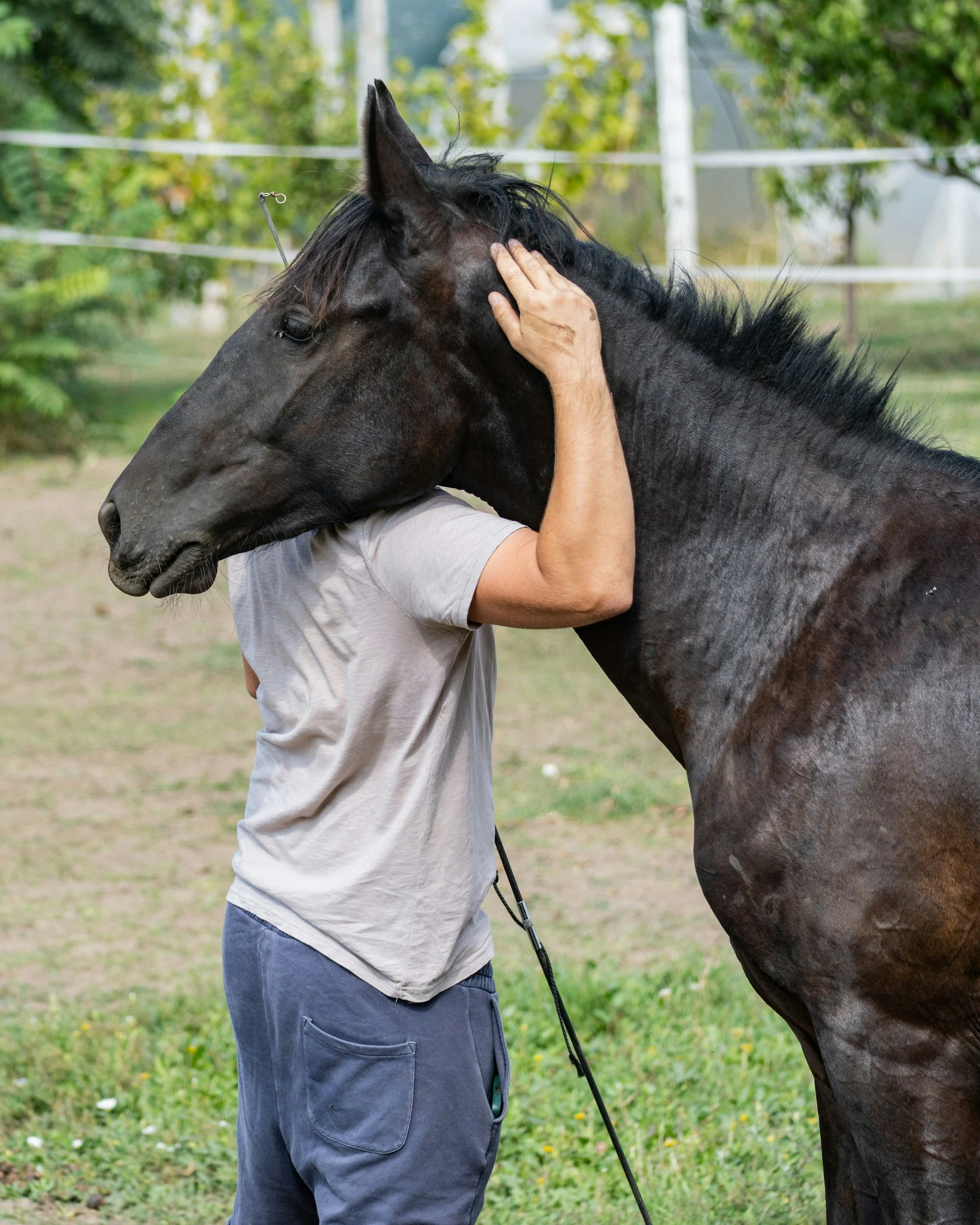
As a Partner, you’ll have access to our state-of-the-art equine facilities, carefully trained therapy horses, professional equine equipment, and dedicated volunteers — all in a peaceful, supportive environment tailored to your clients' needs. We invite qualified therapists from various fields — including mental health professionals, physical therapists, occupational therapists, speech therapist, and others — to join our growing network of providers.
Our goal is to foster collaboration, allowing you to focus on your therapy sessions while we handle the horses, equipment, and logistics. For a per-session fee, you’ll have access to a space that is safe, fully equipped, and ready for impactful equine-assisted work.


Why Partner with The Fathom Collective
Access to Exceptional Horses & Equipment: We provide therapy horses trained in ethical, evidence-informed equine-assisted practices—along with all necessary tack and equipment—so you can focus on your clients, not logistics.
Professional, Neuroaffirming Environment: Our approach centers neurodiversity, trauma-informed care, and ethical horsemanship, ensuring a respectful and empowering experience for both humans and horses.
Supportive Team & Volunteers: Our trained volunteers assist during sessions to create a smooth, safe, and supportive experience for you and your clients.
Beautiful, Healing Facility: Our serene, horse-friendly space is designed to promote regulation, connection, and therapeutic growth in a natural setting.
Flat-Fee Partnership Model: We remove the barriers of horse ownership and facility costs by offering credentialed professionals affordable access to our horses and space.
Community with Purpose: As a neurodiverse, BIPOC women-led nonprofit, we are committed to inclusion, collaboration, and raising the standard of ethical practice in equine-assisted therapy.
Grow Your Practice with Integrity: Whether you’re new to equine-assisted work or an experienced practitioner, partnering with The Fathom Collective allows you to expand your services while staying aligned with your values.
Requirements for Therapy Partners
To ensure the highest standard of care and professionalism, we have specific requirements for therapists wishing to partner with us in offering equine-assisted therapies. Our goal is to provide a safe and effective environment for both therapists and clients, and we require the following credentials.
-
Current State Licensure:
You must hold a valid, active license from the state of Washington in one of the following fields:
Occupational Therapy
Physical Therapy
Speech Therapy
Certified Mental Health Professional (currently accepting licensed psychologists and LMFTs).
-
Professional Liability Insurance:
You must carry current professional liability insurance that specifically covers the use of equine-assisted therapies. This ensures that both you and your clients are protected during therapeutic sessions with horses.
Specific requirement provided upon request
-
You must hold a current certification from one of the following recognized organizations:
American Hippotherapy Association (AHA-AHCB Certification), or
Equine Assisted Growth and Learning Association (EAGALA Certification).
These certifications demonstrate your competence and training in equine-assisted therapy techniques and ensure safe, effective practices in our facility.
-
All therapeutic partners must complete a Business Associate Agreement (BAA) with our nonprofit organization. This agreement ensures compliance with privacy and confidentiality standards in accordance with HIPAA regulations.
-
You must have up-to-date training in HIPAA (Health Insurance Portability and Accountability Act) to ensure the confidentiality and security of patient information. This is especially important for any client-related documentation and communication within the scope of therapy.